
 Post by
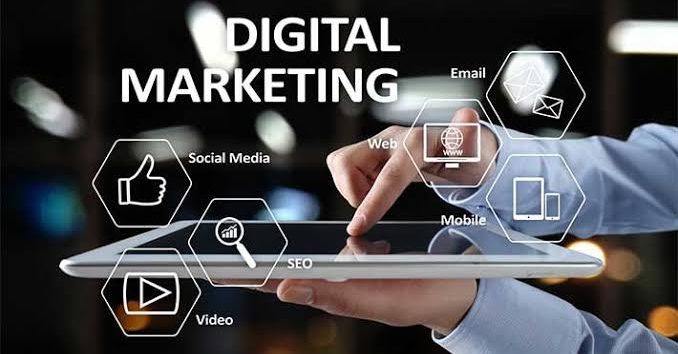
In today’s digital-first world, social media has become an important part of how businesses connect with customers, communicate their value, and build brand recognition. From small local businesses to growing companies, brands are using digital platforms to reach new audiences and create stronger customer relationships.
For businesses in Kerala, social media offers an opportunity to reach local customers, expand into new markets, showcase products and services, and stay connected with their audiences. However, simply creating an Instagram account or publishing regular Facebook posts is not enough to achieve sustainable growth.
What makes the difference is having a clear strategy behind every activity.
Social media marketing is not just about creating content. It involves understanding customer behaviour, identifying the right platforms, developing relevant messages, building brand consistency, and measuring the impact of marketing efforts.
This is where professional social media marketing services can help businesses move from random posting to a structured approach that supports their business objectives.
Understanding the Role of Social Media Marketing in Business Growth
Every business has a different reason for investing in social media. Some want to increase brand awareness, while others aim to generate enquiries, promote new services, drive website traffic, or build customer loyalty.
Without a clear objective, businesses may spend considerable time creating content without understanding whether it contributes to their growth.
An effective social media strategy begins by identifying what the business wants to achieve and how digital platforms can support that goal.
For example, a restaurant may use Instagram Reels to showcase its menu and dining experience. A real estate company may share property walkthroughs and project updates. A professional service provider may publish educational content to demonstrate expertise and build trust.
The content format may differ, but the purpose remains the same: to communicate relevant value to the right audience.
When social media activities are aligned with business objectives, they become part of a wider growth strategy rather than an isolated marketing task.
Why Businesses in Kerala Need a Strategic Social Media Presence
Kerala has a diverse business environment that includes retail, hospitality, healthcare, education, real estate, tourism, professional services, and technology companies.
Each industry serves different audiences and faces different challenges. A strategy that works for a fashion brand may not work for a B2B service provider. Similarly, a local restaurant and a real estate developer may require completely different approaches to content, targeting, and customer communication.
Businesses need to understand where their audiences spend time, what information they look for, and which factors influence their decisions.
Local context can also play an important role. Language preferences, regional events, customer expectations, and cultural relevance can influence how audiences respond to content.
For some businesses, Malayalam content may help communicate more naturally with local customers. Others may benefit from English content or a combination of both, depending on their target audience.
The goal is not simply to follow trends or copy competitors. It is to build a social media presence that reflects the business and connects meaningfully with its intended customers.
1. Social Media Strategy and Content Planning
A successful social media presence starts with a plan.
Before publishing content, businesses should identify their target audience, brand positioning, marketing priorities, and the platforms most relevant to their objectives.
A structured strategy helps determine what the business should communicate, how frequently content should be published, and which formats are most suitable.
Content planning may include educational posts, promotional creatives, short-form videos, product demonstrations, customer stories, industry insights, and brand-focused content.
Each format should have a purpose.
Educational content can help customers understand a problem or solution. Promotional content can communicate a relevant offer. Brand storytelling can explain what makes a business different. Customer-focused content can address common concerns and support informed decisions.
A well-planned content calendar also helps maintain consistency and reduce last-minute content creation.
Instead of asking, “What should we post today?” businesses can work towards a more useful question: “What does our audience need to understand about our brand?”
2. Creative Content Design and Brand Consistency
Visual communication plays an important role in how audiences recognise and remember a business.
Consistent colours, typography, imagery, messaging, and design styles help create a recognisable brand identity across social media platforms.
However, attractive designs alone do not guarantee effective communication.
A creative should communicate one clear idea, make the message easy to understand, and reflect the brand’s positioning. Overcrowded layouts, unclear headlines, and excessive promotional text can make content difficult to process.
Businesses should also ensure that their visual identity remains consistent across Instagram, Facebook, LinkedIn, and other relevant channels.
This does not mean every post must look identical. Instead, each piece of content should feel like part of the same brand while allowing enough flexibility for different topics and formats.
When content design and brand strategy work together, social media becomes a stronger platform for building recognition and credibility.
3. Reels and Short-Form Video Marketing
Short-form video has created new opportunities for businesses to demonstrate their products, explain their services, and communicate their brand personality.
A well-planned Reel can introduce a business to new audiences, answer a common customer question, showcase a product in action, or explain a service more clearly than a static post.
For businesses in Kerala, video content can also reflect local language preferences and customer experiences.
For example, a salon can share haircare advice and transformation videos, a restaurant can showcase food preparation, and a service-based company can explain common industry challenges through short educational videos.
Effective video content does not always require elaborate production. The most important elements are a relevant topic, a clear opening, useful information, and a natural delivery.
Businesses should choose video ideas based on their audience and objectives rather than creating content solely because a particular trend is popular.
Consistency and relevance help establish a stronger connection between video content and the overall brand strategy.
4. Social Media Management and Audience Engagement
Maintaining an active business profile requires more than publishing posts.
Social media management includes scheduling content, updating profile information, monitoring engagement, responding to comments, managing enquiries, and reviewing content performance.
For businesses with limited internal resources, these responsibilities can become difficult to manage alongside daily operations.
A structured management process helps ensure that the brand remains active, communicates consistently, and responds appropriately to its audience.
Audience engagement is particularly important because social media creates opportunities for two-way communication.
When customers ask questions about products, services, pricing, or availability, timely and helpful responses can improve their experience and support the decision-making process.
Businesses should establish clear processes for handling enquiries and directing potential customers to the next step.
An active profile may attract attention, but thoughtful communication helps turn that attention into meaningful conversations.
5. Paid Social Media Advertising for Targeted Reach
Organic content helps businesses build a presence over time, while paid advertising can extend reach and connect campaigns with selected audiences.
Platforms such as Facebook and Instagram provide advertising options for brand awareness, website traffic, lead generation, and other marketing objectives.
However, effective advertising requires careful planning.
Businesses should define the campaign goal, understand the intended audience, develop suitable creative content, and create a clear path for interested customers to take action.
For example, a business promoting a service may direct users to a dedicated landing page or enquiry form. A local business may use location-relevant campaigns to reach people within its service area.
Campaign performance should be measured against the intended outcome.
For lead-generation campaigns, this may include the cost per enquiry, relevance of the leads, conversion rate, and eventual customer acquisition where data is available.
Spending more on advertising does not automatically produce better results. The quality of the offer, creative, targeting, landing page, and follow-up process can all influence campaign effectiveness.
The objective should be to use advertising strategically, with ongoing monitoring and improvements based on performance.
6. Choosing the Right Platforms for Your Business
Not every business needs to maintain an active presence on every social media platform.
Each platform offers different ways to communicate with audiences, and the right choice depends on the business model, target customers, content capabilities, and marketing goals.
Instagram can be useful for visual storytelling, product showcases, lifestyle brands, hospitality, and service businesses.
Facebook can support community engagement, local business visibility, and targeted advertising.
LinkedIn can help B2B companies and professional service providers communicate expertise, build industry credibility, and reach relevant professional audiences.
YouTube can support detailed demonstrations, educational videos, and content that audiences discover through search.
The important question is not which platform is most popular. It is which platform helps your business connect with the people who matter most.
A focused presence on a few relevant platforms can be more effective than spreading limited resources across multiple channels without a clear strategy.
7. Creating Localised Content for Kerala Audiences
Businesses that serve customers in Kerala can benefit from understanding the preferences and expectations of their local audiences.
Language is one important consideration. Malayalam, English, and Manglish can each be useful depending on the audience, industry, and communication style.
For example, a local consumer brand may connect naturally through Malayalam Reels, while a company targeting corporate decision-makers may prefer professional English content.
Local events and seasonal occasions can also create opportunities for relevant campaigns. However, such content should fit the brand and provide a meaningful connection rather than simply following a calendar.
Localisation also involves understanding customer concerns, purchasing habits, service expectations, and the way people search for businesses.
When content reflects the audience’s actual needs and context, communication becomes more relevant and easier to understand.
For businesses serving multiple regions or customer segments, content may need to be adapted accordingly rather than relying on one message for everyone.
8. Turning Social Media Activity Into Business Enquiries
One of the most important goals of social media marketing is connecting audience interest with a meaningful business action.
A potential customer may discover a Reel, visit the business profile, explore its services, read previous posts, and then send a direct message or visit the website.
Each step influences the customer’s perception and willingness to engage.
Businesses can support this journey by maintaining clear profile descriptions, explaining their services, sharing relevant information, and providing convenient contact options.
Calls to action should also reflect the purpose of the content. Depending on the business, this may involve requesting a quotation, booking a consultation, visiting a website, sending a message, or exploring a product.
However, generating enquiries is only one part of the process. Businesses also need to respond promptly, understand the customer’s requirements, and maintain an effective follow-up process.
Social media marketing can create opportunities, but converting those opportunities into customers depends on the overall customer experience.
9. Measuring Performance and Improving the Strategy
Social media performance should be evaluated according to the objectives established at the beginning of the strategy.
If the primary goal is brand awareness, reach, impressions, and relevant video views may provide useful insights.
If the objective is engagement, businesses can review shares, saves, meaningful comments, and interactions with the intended audience.
If the goal is lead generation, the focus should shift towards qualified enquiries, conversion rates, cost per lead, and customer acquisition where reliable tracking is available.
Follower growth and likes can provide context, but they should not be treated as the only indicators of business success.
Regular performance reviews help identify which content formats are connecting with the audience, which campaigns are generating useful outcomes, and where improvements may be needed.
Not every post will perform equally well. Audience behaviour, competition, creative quality, timing, and platform changes can all affect results.
The purpose of measurement is to understand these factors and use the available data to make better decisions over time.
Common Mistakes Businesses Should Avoid
Businesses can invest significant time and money in social media without seeing meaningful progress when their activities lack direction.
One common mistake is posting without a defined objective. Content may keep the account active but fail to communicate a consistent message or support a business goal.
Another is focusing entirely on promotional content. Constant offers and sales messages can limit opportunities to educate audiences, demonstrate expertise, and build trust.
Copying competitors without understanding their audience or strategy can also lead to ineffective communication. What works for one business may not be suitable for another.
Ignoring comments and direct messages can create a poor customer experience, particularly when potential customers are actively looking for information.
Finally, expecting immediate results from every post or campaign can lead to inconsistent decisions. Social media marketing requires a process of planning, execution, evaluation, and improvement.
Avoiding these mistakes starts with understanding the audience and building a strategy that connects content with the wider goals of the business.
How LevelUp DTS Supports Social Media Marketing
At LevelUp DTS, we believe social media marketing should be connected to a business’s broader brand and growth objectives.
Every business has a different identity, audience, and set of priorities. Its social media strategy should reflect those differences rather than follow a standard template.
Our approach brings together content planning, creative design, social media management, video production, and digital marketing activities based on the business’s requirements.
The focus is on helping businesses communicate their value clearly, maintain a consistent digital presence, and connect marketing activities with meaningful objectives.
From developing relevant content to supporting campaigns and reviewing performance, each activity should contribute to a clear purpose.
We believe effective social media marketing combines creativity with strategic thinking. Strong visuals can attract attention, but relevant messaging, consistent branding, audience understanding, and continuous improvement help build a more valuable digital presence.
Conclusion: Build Your Brand With a Clear Social Media Strategy
Social media marketing offers businesses across Kerala an opportunity to strengthen brand recognition, reach relevant audiences, communicate their value, and create new business opportunities.
But meaningful growth requires more than regular posting or following trends.
It requires understanding your customers, selecting the right platforms, developing useful content, maintaining consistent branding, engaging with audiences, and measuring the outcomes that matter.
When these elements work together, social media becomes a valuable part of a business’s wider marketing strategy.
At LevelUp DTS, we believe that every brand deserves a digital presence built around its own goals, audience, and identity.
The objective is not simply to be visible on social media. It is to make your brand relevant, recognisable, and valuable to the people you want to reach.
Because sustainable business growth begins when creativity is guided by strategy.