
 Post by
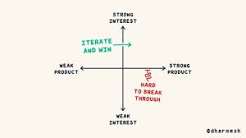
Having a great product is an important part of building a successful business. But even products with excellent quality, useful features, and competitive pricing can struggle to attract customers.
Many businesses believe that if their product is good enough, people will naturally buy it. Unfortunately, that is not always how the market works.
A product can solve a real problem and still fail to generate sales because customers may not know it exists, understand its value or feel the need to purchase it.
This is where market demand becomes important.
Market demand is not determined by product quality alone. It is influenced by customer needs, purchasing behaviour, pricing, brand awareness, competition and how effectively a business communicates its value.
Let’s understand why a strong product can still have weak market demand and what businesses can do to change it.
1. You Are Solving a Problem Customers Don’t Prioritise
One of the biggest reasons products struggle in the market is that businesses develop solutions based on what they believe customers need rather than what customers actually want.
A product may offer impressive features, but if it does not solve an important customer problem, people may not see a reason to purchase it.
For example, a company may develop an advanced business management tool with several features. However, small business owners may simply want an affordable and easy-to-use solution for managing daily operations.
The product may be technically impressive, but it does not match the immediate priorities of its target audience.
What businesses should do:
Understand the problems customers face.
Conduct customer interviews and surveys.
Identify which problems customers are willing to pay to solve.
Study existing customer behaviour.
Test product ideas before investing heavily in development.
A successful product starts with a genuine market need.
2. Customers Don’t Understand Your Product’s Value
Sometimes, the problem is not the product itself. It is how the business communicates its value.
Customers may see your product, understand its features and still fail to recognise why they should buy it.
For example, a business selling premium skincare products may focus its marketing entirely on ingredients and technical details. But customers may be more interested in understanding how the product fits into their daily routine and what benefits it offers.
Features explain what a product does. Value explains why customers should care.
What businesses should do:
Communicate benefits instead of listing only features.
Explain how the product solves a customer problem.
Use simple and clear marketing messages.
Demonstrate the product through videos and real examples.
Answer common customer questions.
Your marketing should help customers understand the reason behind the purchase.
3. Your Target Audience Is Too Broad
Trying to sell a product to everyone can make it difficult to connect with anyone.
Different customers have different needs, budgets, preferences and purchasing motivations.
For example, a premium fitness product may be more relevant to fitness enthusiasts, professional athletes or people who prioritise advanced training equipment.
If the business targets everyone without a clear customer segment, its marketing message may become too general.
What businesses should do:
Define your ideal customer based on:
Age group and location.
Interests and lifestyle.
Income and purchasing capacity.
Problems and requirements.
Buying behaviour.
Preferred communication channels.
A clearly defined target audience helps businesses create more relevant products, advertisements and marketing campaigns.
4. Your Pricing Doesn’t Match Customer Expectations
A product may offer excellent quality, but customers may still hesitate if they feel the price does not match the value they receive.
Pricing is not just about production costs or profit margins. It is also connected to customer expectations and how the product is positioned in the market.
For example, a newly launched premium brand may struggle to sell at a higher price if customers have never heard of the brand or understood what makes it different.
The issue may not be that the product is expensive. Customers may simply lack enough information to justify the purchase.
What businesses should do:
Study competitor pricing.
Understand your target audience’s spending capacity.
Communicate the value behind your pricing.
Offer different product packages where appropriate.
Use customer reviews and demonstrations to establish trust.
The right pricing strategy should balance business profitability with customer-perceived value.
5. Your Product Has No Clear Market Positioning
Customers have many options when choosing a product or service.
If your product looks similar to everything else in the market, customers may struggle to understand why they should choose yours.
Strong market positioning helps a business communicate what makes its product different and who it is designed for.
For example, two businesses may sell similar organic food products. One may position itself around affordability, while another focuses on premium quality, sourcing and transparency.
Both may serve the same broad market, but their positioning attracts different customer segments.
What businesses should do:
Identify what makes your product different.
Understand your competitors.
Define the specific audience you want to reach.
Develop a clear brand message.
Communicate your unique value consistently.
A strong product needs a clear reason for customers to choose it.
6. Customers Don’t Trust an Unknown Brand
Even when a product is good, customers may hesitate to purchase it from a brand they do not recognise.
Trust plays an important role in purchasing decisions, especially when customers are trying a new product for the first time.
A lack of reviews, customer experiences, product demonstrations and brand information can create uncertainty.
This is particularly important for businesses launching new products in competitive markets.
What businesses should do:
Build trust through:
Genuine customer testimonials.
Product demonstration videos.
Real customer experiences.
Behind-the-scenes content.
Clear product information.
Consistent social media communication.
Professional website and branding.
Customers need reasons to believe in your product before they are ready to invest in it.
7. Your Marketing Is Creating Awareness but Not Purchase Interest
A product may receive thousands of views, likes and social media interactions without generating meaningful sales.
This happens when marketing focuses more on visibility than customer intent.
For example, a visually attractive product advertisement may generate attention, but it may not explain the product’s purpose, benefits, pricing or how customers can purchase it.
Awareness is only one stage of the customer journey.
What businesses should do:
Create content for different stages of the buying journey:
Customer StageContent StrategyAwarenessIntroduce the product and the problem it solvesInterestExplain product features and benefitsConsiderationShare comparisons, demonstrations and reviewsPurchaseProvide clear offers and calls to actionRetentionShare product tips, support and updates
Your marketing should move customers from discovering the product to understanding its value and making a purchase.
8. You Are Not Listening to Customer Feedback
Sometimes, businesses become so focused on promoting their products that they overlook what customers are actually saying.
Customer feedback can reveal problems that internal teams may not notice.
Customers might find the product difficult to use, dislike the packaging, feel the price is too high or prefer a feature that the business has not considered.
Ignoring this feedback can make it difficult to improve the product and match changing market expectations.
What businesses should do:
Collect feedback after purchases.
Monitor product reviews and customer comments.
Understand common complaints.
Identify frequently requested features.
Improve the product based on genuine customer needs.
Market demand is not fixed. Businesses need to keep learning from their customers.
9. Your Distribution and Buying Process Are Complicated
Even interested customers may not complete a purchase if buying the product is difficult.
A product can have strong potential, but poor availability, complicated ordering processes, limited payment options or unclear delivery information can reduce sales.
For online businesses, a complicated checkout process can create unnecessary barriers.
What businesses should do:
Make product information easy to find.
Provide clear pricing and availability details.
Simplify the ordering process.
Offer convenient payment options.
Explain delivery and return policies.
Respond quickly to customer enquiries.
A good product should also be easy to discover, access and purchase.
How Can Businesses Build Stronger Market Demand?
Building demand requires more than improving the product. Businesses need to understand the market and communicate the product’s value effectively.
Here is a practical framework:
Business AreaWhat to Focus OnMarket ResearchUnderstand customer needs and buying behaviourProduct DevelopmentBuild around real customer problemsTarget AudienceIdentify the right customer segmentPricingMatch perceived value and market expectationsBrandingCreate clear and differentiated positioningMarketingBuild awareness, trust and purchase interestCustomer FeedbackContinuously improve the offeringSales ProcessMake purchasing simple and convenient
When these areas work together, businesses can improve the chances of turning product quality into actual market demand.
Final Thoughts
A strong product is a valuable starting point, but it is not enough to guarantee business success.
Customers need to understand the product, recognise its value, trust the brand and feel that it meets their requirements.
If your product is good but market demand remains weak, the answer may not be to add more features or reduce the price immediately. Start by understanding your customers, reviewing your positioning and improving how you communicate your value.
At Level Up Digital Solutions, we help businesses build stronger market visibility through branding, content creation, social media marketing, performance marketing and digital strategies.
Because a great product deserves more than just a launch. It deserves the right positioning, the right audience and a marketing strategy that helps it reach the market.
SEO Keywords
Primary Keyword: Why a strong product has weak market demand
Secondary Keywords:
Reasons for low product demand
How to increase product demand
Product marketing strategy
Market positioning for businesses
How to attract customers to a new product
Product branding and marketing
Customer demand and buying behaviour
Digital marketing for product businesses
Suggested SEO Title: Why a Strong Product Can Still Have Weak Market Demand
Meta Description: A great product doesn’t always guarantee sales. Discover why market demand stays low and how businesses can improve positioning, customer trust and marketing.
URL Slug: why-strong-products-have-weak-market-demand