
 Post by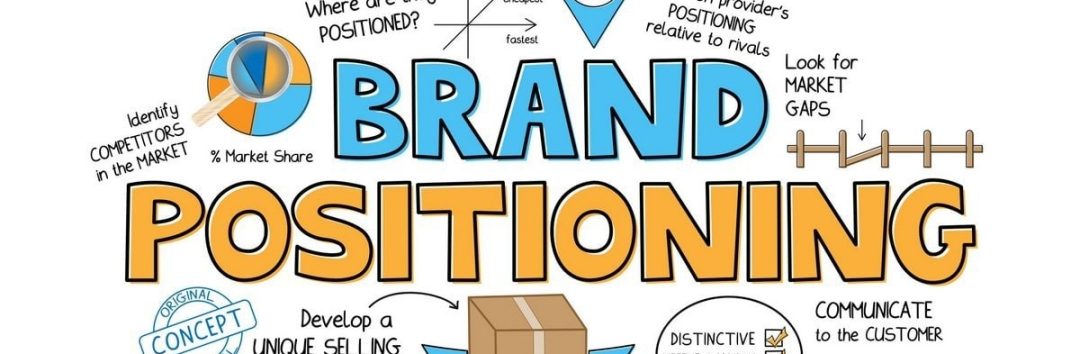
By Nandana GS , Digital Marketing Executivesells
Introduction
In today’s competitive business landscape, offering a great product or service is no longer enough to guarantee success. Customers are presented with countless choices every day, and many businesses offer similar products at comparable prices. What often influences a customer’s decision is not just what a company sells, but how that company is perceived. This is where brand positioning becomes one of the most valuable assets a business can develop.
Brand positioning is the process of creating a unique and memorable place for your brand in the minds of your target audience. It defines how customers perceive your business compared to competitors and communicates why your brand is the better choice. Effective positioning goes beyond logos and taglines—it reflects your values, personality, customer experience, messaging, and the promise you consistently deliver.
In 2026, consumers expect brands to be authentic, transparent, and customer-focused. They are drawn to businesses that clearly communicate their purpose and consistently provide value across every touchpoint, from websites and social media to customer service and product quality. Strong brand positioning not only helps businesses attract customers but also builds trust, loyalty, and long-term recognition.
Whether you’re launching a startup, rebranding an existing company, or looking to stand out in a crowded market, developing a clear positioning strategy is essential. In this guide, we’ll explore proven brand positioning strategies, common mistakes to avoid, and practical steps to build a brand that customers remember and trust.
What Is Brand Positioning?
Brand positioning is the strategy of defining how your business is perceived in the marketplace and what makes it different from competitors.
It answers questions such as:
- Who are you?
- What do you offer?
- Who do you serve?
- Why should customers choose you?
- What unique value do you provide?
A strong position helps customers immediately understand what your brand represents.
Why Brand Positioning Matters
A well-positioned brand creates lasting business advantages.
Benefits include:
- Stronger brand recognition
- Increased customer trust
- Higher customer loyalty
- Better marketing performance
- Clear competitive differentiation
- Greater pricing power
- Improved customer retention
When customers understand and believe in your brand, they are more likely to choose it repeatedly.
1. Understand Your Target Audience
Effective positioning begins with knowing exactly who you want to serve.
Research your audience’s:
- Demographics
- Buying behaviour
- Goals
- Challenges
- Interests
- Pain points
- Preferred communication channels
The more you understand your audience, the easier it becomes to create messaging that resonates.
2. Identify Your Unique Value Proposition (UVP)
Your Unique Value Proposition explains why customers should choose your business over competitors.
A strong UVP should clearly communicate:
- The problem you solve
- The solution you provide
- The benefits customers receive
- What makes your solution different
Avoid generic claims like “best quality” or “excellent service.” Instead, focus on specific, meaningful advantages.
3. Analyse Your Competitors
Understanding your competitors helps you identify opportunities to stand out.
Evaluate:
- Their messaging
- Products and services
- Pricing strategy
- Customer reviews
- Brand personality
- Content strategy
- Visual identity
Look for gaps in the market where your brand can offer something different or better.
4. Develop a Clear Brand Personality
People connect with personalities, not faceless businesses.
Define characteristics that describe your brand, such as:
- Professional
- Innovative
- Friendly
- Premium
- Creative
- Reliable
- Approachable
Your personality should remain consistent across every customer interaction.
5. Build a Consistent Brand Voice
Your brand voice reflects how your business communicates.
Whether your tone is:
- Professional
- Conversational
- Inspirational
- Educational
- Confident
It should remain consistent across your website, social media, emails, advertisements, and customer support.
Consistency strengthens recognition and trust.
6. Focus on Customer Benefits, Not Features
Customers care more about outcomes than specifications.
Instead of saying:
“Our software includes AI-powered automation.”
Say:
“Our software helps businesses save time, reduce manual work, and improve productivity.”
Highlight how your products or services improve customers’ lives or businesses.
7. Create a Memorable Brand Story
Stories help customers connect emotionally with your brand.
Share:
- Why your business started
- The challenges you’ve overcome
- Your mission
- Your vision
- Customer success stories
- Community impact
Authentic storytelling builds trust and makes your brand more memorable.
8. Deliver a Consistent Customer Experience
Brand positioning extends beyond marketing.
Customers should experience consistency across:
- Website
- Social media
- Customer service
- Product quality
- Sales process
- Packaging
- After-sales support
Every interaction reinforces your brand promise.
9. Invest in Strong Visual Branding
Visual identity influences first impressions.
Maintain consistency in:
- Logo
- Colour palette
- Typography
- Photography style
- Icons
- Graphic design
Professional and consistent visuals improve brand recognition across every platform.
10. Position Yourself as an Industry Expert
Authority strengthens positioning.
Demonstrate expertise through:
- Blog articles
- Case studies
- White papers
- Educational videos
- Webinars
- Industry reports
- Thought leadership posts
Providing valuable insights builds credibility and customer confidence.
11. Build Trust Through Social Proof
Customers trust real experiences more than marketing messages.
Showcase:
- Customer testimonials
- Reviews
- Success stories
- Awards
- Certifications
- Case studies
Social proof reinforces your positioning and reduces purchase hesitation.
12. Adapt Without Losing Your Identity
Markets evolve, and customer expectations change.
Regularly review your:
- Messaging
- Visual identity
- Product offerings
- Customer feedback
- Market trends
While adapting to change is important, your core values and purpose should remain consistent.
Types of Brand Positioning
Businesses often position themselves based on:
Quality
Emphasising premium products or services.
Innovation
Highlighting advanced technology or creative solutions.
Customer Experience
Delivering exceptional service and support.
Affordability
Providing value at competitive prices.
Sustainability
Focusing on environmentally responsible practices.
Expertise
Positioning as specialists in a particular industry or niche.
Choose the positioning strategy that best aligns with your strengths and audience expectations.
Common Brand Positioning Mistakes
Avoid these common mistakes:
- Trying to appeal to everyone
- Copying competitors
- Inconsistent messaging
- Overpromising and underdelivering
- Ignoring customer feedback
- Frequent rebranding without purpose
- Weak differentiation
- Focusing only on products instead of customer value
Strong positioning requires clarity and consistency.
Measuring Brand Positioning Success
Monitor key indicators such as:
- Brand awareness
- Customer retention
- Website traffic
- Social media engagement
- Customer satisfaction
- Net Promoter Score (NPS)
- Repeat purchases
- Referral rates
Regular analysis helps ensure your positioning continues to resonate with your audience.
The Future of Brand Positioning
Modern branding continues to evolve alongside technology and changing customer expectations.
Emerging trends include:
- AI-powered personalisation
- Community-led branding
- Authentic storytelling
- Employee advocacy
- Purpose-driven brands
- Interactive customer experiences
- Transparent business practices
- Omnichannel brand consistency
Businesses that combine innovation with authenticity will remain competitive in the years ahead.
Building a Brand That Lasts
Brand positioning is not about creating the loudest marketing campaign—it is about creating a clear and lasting perception in the minds of customers.
Successful brands consistently:
- Deliver on their promises
- Communicate with clarity
- Build meaningful relationships
- Provide exceptional customer experiences
- Continue evolving while staying true to their values
Long-term success comes from trust, consistency, and relevance.
Conclusion
Brand positioning is one of the most powerful tools a business can use to stand out in a competitive marketplace. It shapes how customers perceive your company, influences purchasing decisions, and builds lasting relationships based on trust and value. By understanding your audience, defining a unique value proposition, maintaining consistent messaging, delivering exceptional customer experiences, and showcasing authentic stories, your brand can establish a distinctive identity that competitors cannot easily replicate.
The strongest brands are not always the biggest—they are the ones that communicate a clear purpose, consistently deliver on their promises, and create meaningful connections with their customers. In today’s digital-first world, where consumers have endless choices, effective brand positioning helps businesses remain memorable, relevant, and resilient.
As markets continue to evolve in 2026 and beyond, businesses that invest in thoughtful brand positioning will be better equipped to attract loyal customers, strengthen their reputation, and achieve sustainable long-term growth. Rather than trying to appeal to everyone, focus on becoming the preferred choice for the audience you serve best. That clarity will become one of your greatest competitive advantages.