
 Post by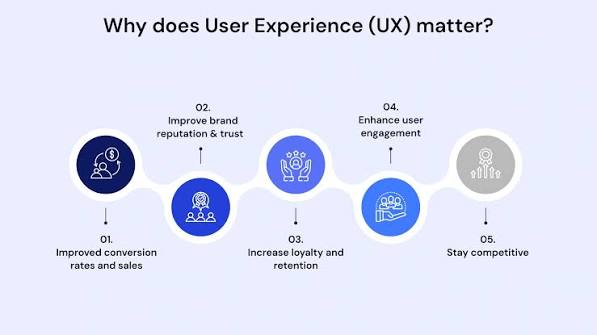
By Afla KC, Digital Marketing Executive
Introduction
Your website is often the first interaction a potential customer has with your business. Within just a few seconds, visitors form an opinion about your brand based on how your website looks, feels, and functions. Even if you have an excellent product, competitive pricing, and a strong marketing strategy, a poor user experience (UX) can cause visitors to leave before they ever become customers.
In today’s digital landscape, customers expect websites to be fast, intuitive, mobile-friendly, and easy to navigate. They don’t want to spend time searching for information, waiting for pages to load, or struggling to complete a purchase or enquiry form. Every unnecessary click, confusing layout, or slow-loading page increases the chances of losing a potential customer.
This is why user experience (UX) has become one of the most important factors influencing online conversions. UX is not just about attractive website design—it encompasses every interaction users have with your digital platform, from page speed and navigation to content readability, accessibility, and checkout processes. A well-designed user experience guides visitors naturally toward their goals while making every interaction simple and enjoyable.
In 2026, search engines, customers, and digital advertising platforms all reward websites that provide exceptional user experiences. Better UX leads to higher engagement, lower bounce rates, improved search rankings, increased trust, and ultimately, more conversions.
In this guide, we’ll explore why user experience plays such a critical role in business success, the key UX principles that drive conversions, common mistakes to avoid, and practical strategies for creating websites that turn visitors into loyal customers.
What Is User Experience (UX)?
User Experience (UX) refers to the overall experience a person has while interacting with a website, mobile app, or digital platform.
It includes:
Ease of navigation
Website speed
Mobile responsiveness
Accessibility
Visual design
Readability
Content organisation
Checkout or enquiry process
Overall usability
A positive user experience helps visitors accomplish their goals quickly and without frustration.
What Are Conversions?
A conversion occurs when a visitor completes a desired action.
Examples include:
Purchasing a product
Filling out a contact form
Booking a consultation
Downloading an eBook
Subscribing to a newsletter
Requesting a quote
Creating an account
The easier these actions are to complete, the higher your conversion rate is likely to be.
Why UX Has a Direct Impact on Conversions
Every step in the customer journey influences purchasing decisions.
Good UX helps businesses:
Build trust
Reduce friction
Improve customer satisfaction
Increase engagement
Encourage longer website visits
Boost conversion rates
Strengthen brand reputation
A website that is easy to use creates confidence and reduces hesitation.
1. First Impressions Matter
Visitors often decide whether to stay on a website within seconds.
Professional design communicates:
Credibility
Quality
Reliability
Trustworthiness
An outdated or cluttered website can discourage visitors before they even explore your products or services.
2. Fast Websites Convert Better
Page speed is one of the most important UX factors.
Slow-loading websites often lead to:
Higher bounce rates
Lower customer satisfaction
Reduced conversions
Poor search rankings
Optimising images, using efficient code, and choosing reliable hosting can significantly improve loading times.
3. Mobile-Friendly Design Is Essential
Most users now browse websites on smartphones.
A responsive website should:
Adapt to different screen sizes
Display readable text
Include touch-friendly buttons
Load quickly on mobile devices
Simplify navigation
A poor mobile experience often results in lost sales.
4. Simple Navigation Improves User Journeys
Visitors should find information quickly.
Good navigation includes:
Clear menus
Logical page structure
Search functionality
Breadcrumb navigation
Consistent layouts
Reducing confusion keeps visitors engaged and moving toward conversion.
5. Clear Calls to Action Increase Conversions
Every important page should guide users toward the next step.
Examples include:
Contact Us
Book a Demo
Request a Quote
Shop Now
Start Free Trial
Effective calls to action are visible, concise, and action-oriented.
6. Trust Signals Reduce Purchase Hesitation
Customers are more likely to convert when they trust your business.
Include:
Customer testimonials
Reviews
Certifications
Security badges
Awards
Case studies
Client logos
Trust signals reassure visitors that they are making the right decision.
7. Readable Content Improves Engagement
Large blocks of text discourage readers.
Improve readability by using:
Short paragraphs
Headings
Bullet points
Simple language
Clear typography
Adequate spacing
Well-structured content encourages visitors to stay longer.
8. Accessibility Expands Your Audience
Accessible websites serve more users, including people with disabilities.
Consider:
Alternative image text
Keyboard navigation
Colour contrast
Readable fonts
Screen reader compatibility
Accessibility also contributes to better overall usability.
9. Reduce Friction in Forms and Checkout
Long forms and complicated checkout processes reduce conversions.
Best practices include:
Request only essential information
Minimise form fields
Enable autofill
Show progress indicators
Offer multiple payment options
Display clear error messages
A smooth checkout experience encourages more completed transactions.
10. Consistency Strengthens Brand Confidence
Maintain consistency across:
Colours
Fonts
Buttons
Navigation
Tone of voice
Visual identity
Consistent design creates familiarity and strengthens brand recognition.
11. Personalisation Improves Customer Experience
Modern customers appreciate personalised experiences.
Examples include:
Product recommendations
Recently viewed items
Personalised email campaigns
Location-based content
Relevant offers
Personalisation increases engagement and encourages repeat visits.
12. Continuous Testing Improves Results
User experience should evolve over time.
Use:
A/B testing
Heatmaps
User recordings
Customer feedback
Analytics reports
Testing reveals opportunities to improve conversions and eliminate obstacles.
Common UX Mistakes That Hurt Conversions
Avoid these common problems:
Slow-loading pages
Confusing navigation
Poor mobile optimisation
Too many pop-ups
Weak calls to action
Low-quality images
Cluttered layouts
Difficult checkout processes
Even small improvements can have a significant impact on conversion rates.
Measuring UX Success
Track key performance indicators such as:
Bounce rate
Average session duration
Conversion rate
Page load time
Cart abandonment rate
Customer satisfaction
Scroll depth
Returning visitors
Monitoring these metrics helps identify areas for improvement.
The Role of UX in SEO
User experience and search engine optimisation work together.
A well-designed website often benefits from:
Faster loading speeds
Better Core Web Vitals
Lower bounce rates
Higher engagement
Improved mobile usability
Better search rankings
Great UX not only satisfies visitors but also supports long-term organic visibility.
Future UX Trends
Businesses should prepare for:
AI-powered personalisation
Voice search optimisation
Predictive user experiences
Conversational interfaces
Dark mode support
Interactive micro-animations
Accessibility-first design
Privacy-focused experiences
Adopting these trends helps businesses remain competitive in an increasingly digital world.
Creating a Conversion-Focused Website
To maximise conversions, every website should include:
Fast loading speed
Responsive design
Clear navigation
Strong calls to action
Trust-building elements
High-quality content
Simple forms
Regular UX testing
A website that is easy to use encourages visitors to become customers.
Conclusion
User experience is no longer just a design consideration—it is a critical factor in business growth and online success. Every interaction a visitor has with your website influences whether they stay, engage, and ultimately convert into a customer. From page speed and mobile responsiveness to intuitive navigation, accessible design, and streamlined checkout processes, every detail contributes to creating a positive experience that builds trust and reduces friction.
Businesses that invest in user experience consistently achieve higher engagement, lower bounce rates, stronger customer satisfaction, and better conversion rates. Rather than focusing solely on attracting traffic, successful organisations ensure that every visitor can easily find information, complete actions, and enjoy a seamless digital journey.
As customer expectations continue to evolve in 2026, user experience will remain one of the strongest competitive advantages a business can have. By combining thoughtful design, performance optimisation, and customer-focused improvements, your website can become more than just an online presence—it can become one of your most effective tools for generating leads, increasing sales, and supporting long-term business growth.