
 Post by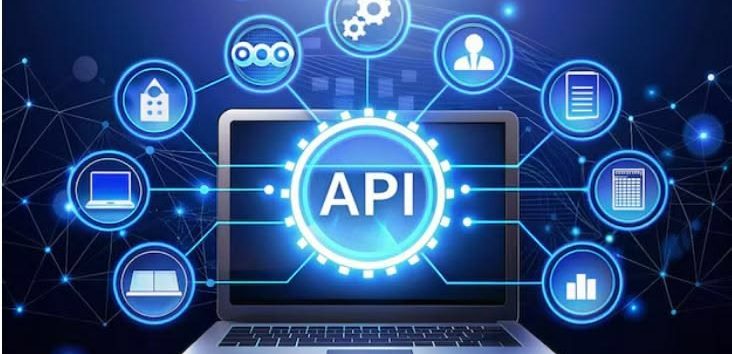
Introduction
Modern businesses rely on a wide range of digital tools to manage their daily operations. Customer Relationship Management (CRM) systems, accounting software, e-commerce platforms, payment gateways, inventory management systems, marketing automation tools, and communication platforms all play a crucial role in keeping businesses running efficiently.
However, there’s one common challenge—these systems often operate independently. When information doesn’t flow seamlessly between applications, employees are forced to manually transfer data, update records across multiple platforms, and switch between different software throughout the day. This not only wastes valuable time but also increases the risk of errors, duplicate data, and inconsistent customer experiences.
This is where API integration becomes essential.
API (Application Programming Interface) integration allows different software applications to communicate and exchange data automatically. Instead of relying on manual processes, APIs connect systems in real time, enabling businesses to automate workflows, improve collaboration, and make faster, data-driven decisions.
Whether it’s automatically syncing online orders with inventory, connecting a CRM to an email marketing platform, or integrating accounting software with payment gateways, API integration helps businesses eliminate operational bottlenecks and create a connected digital ecosystem.
In this guide, we’ll explore what API integration is, how it works, its key benefits, real-world applications, implementation best practices, and why it’s becoming a critical part of digital transformation.
What Is API Integration?
An Application Programming Interface (API) is a set of rules that allows different software applications to communicate with one another.
Think of an API as a bridge between two systems.
For example:
- A customer places an order on your website.
- The e-commerce platform sends the order details to your inventory system through an API.
- The inventory system updates stock levels automatically.
- The accounting software generates an invoice.
- The customer receives an order confirmation email.
- The shipping platform creates a delivery label.
All of these actions happen automatically because the applications are connected through APIs.
Without API integration, employees would need to perform each of these tasks manually.
Why API Integration Matters
Businesses today rarely depend on a single software solution.
Instead, they use multiple specialized platforms, including:
- CRM software
- ERP systems
- Accounting applications
- Marketing automation platforms
- HR software
- Payment gateways
- Customer support tools
- E-commerce platforms
- Inventory management systems
When these systems aren’t connected, businesses experience:
- Duplicate data entry
- Delayed updates
- Human errors
- Poor customer experiences
- Inefficient workflows
- Limited visibility across departments
API integration solves these challenges by allowing systems to share information automatically.
How API Integration Streamlines Business Operations
1. Eliminates Manual Data Entry
One of the biggest advantages of API integration is automation.
Instead of entering the same information into multiple systems, data flows automatically between applications.
For example:
- Customer details entered on a website are instantly added to the CRM.
- Sales data automatically updates accounting software.
- Employee information syncs with payroll systems.
This saves time while reducing administrative work.
2. Improves Data Accuracy
Manual data entry often leads to:
- Typing mistakes
- Duplicate records
- Missing information
- Inconsistent customer data
API integration ensures that all connected systems receive the same accurate information in real time.
Reliable data leads to better reporting and better decision-making.
3. Increases Productivity
Employees no longer need to switch between multiple platforms to complete routine tasks.
Instead, integrated systems handle repetitive processes automatically.
This allows teams to focus on:
- Customer service
- Sales
- Business development
- Innovation
- Strategic planning
Higher productivity means greater business efficiency.
4. Enhances Customer Experience
Customers expect fast, seamless service.
API integration enables businesses to provide:
- Instant order confirmations
- Real-time shipment tracking
- Faster customer support
- Accurate inventory availability
- Personalized communication
Connected systems create smoother customer journeys and improve satisfaction.
5. Accelerates Business Processes
Without integration, approvals and information sharing often involve delays.
API-powered workflows automate:
- Purchase approvals
- Order processing
- Invoice creation
- Inventory updates
- Customer notifications
Faster processes help businesses respond quickly to customer needs and market changes.
6. Supports Better Decision-Making
When business systems share data, managers gain access to a unified view of operations.
Integrated dashboards provide insights into:
- Sales performance
- Customer behavior
- Inventory levels
- Financial performance
- Marketing effectiveness
Real-time information enables faster and more informed decisions.
7. Reduces Operational Costs
Automation reduces repetitive work and minimizes human error.
Businesses save money by:
- Reducing administrative tasks
- Eliminating duplicate work
- Improving workflow efficiency
- Avoiding costly mistakes
Over time, API integration delivers significant cost savings.
Common API Integration Examples
CRM and Email Marketing
Connecting your CRM with email marketing software allows customer information, purchase history, and preferences to sync automatically.
Benefits include:
- Personalized campaigns
- Automated follow-ups
- Better customer segmentation
E-Commerce and Inventory Management
When customers purchase products online, APIs automatically:
- Update stock levels
- Generate invoices
- Notify warehouse teams
- Trigger shipping requests
This prevents overselling and improves order accuracy.
Payment Gateways and Accounting Software
Payment information can automatically flow into accounting systems.
Businesses avoid manual bookkeeping while maintaining accurate financial records.
HR and Payroll Systems
Employee information updates automatically between HR platforms and payroll software.
This simplifies salary processing and reduces administrative work.
Customer Support and CRM
Support tickets automatically link to customer profiles, allowing service teams to view purchase history and previous interactions.
This improves response quality and customer satisfaction.
Industries Benefiting from API Integration
Retail
Retail businesses integrate:
- POS systems
- Online stores
- Inventory software
- Loyalty programs
- Payment gateways
Healthcare
Healthcare organizations connect:
- Electronic health records
- Appointment scheduling
- Billing systems
- Patient portals
Finance
Financial institutions integrate:
- Banking systems
- Fraud detection platforms
- Payment processing
- Reporting software
Logistics
Logistics companies connect:
- Fleet management
- Warehouse systems
- GPS tracking
- Shipping providers
Education
Educational institutions integrate:
- Student management systems
- Learning platforms
- Payment portals
- Attendance systems
Best Practices for Successful API Integration
Choose Compatible Systems
Ensure the software you use provides secure and well-documented APIs.
Prioritize Security
Protect sensitive business and customer data through:
- Authentication
- Encryption
- Secure API keys
- Access controls
Plan Your Integration Strategy
Map business workflows before connecting systems.
Understand which applications need to exchange data and how frequently.
Monitor API Performance
Regular monitoring helps identify integration failures, slow response times, or unexpected errors before they affect business operations.
Keep APIs Updated
Technology evolves rapidly.
Regular updates ensure compatibility, improve security, and maintain system performance.
Common Challenges
Although API integration provides significant benefits, businesses should prepare for challenges such as:
- Legacy systems without modern APIs
- Data format inconsistencies
- Security concerns
- Integration complexity
- Ongoing maintenance
Working with experienced software development partners can simplify implementation and reduce long-term risks.
The Future of API Integration
As businesses adopt cloud computing, Artificial Intelligence (AI), and automation, APIs will become even more important.
Future trends include:
- AI-powered API automation
- Event-driven integrations
- Real-time data synchronization
- API-first software development
- Low-code integration platforms
- Secure API management solutions
Organizations will increasingly rely on connected digital ecosystems rather than isolated software applications.
Why API Integration Is Essential for Digital Transformation
Digital transformation isn’t just about adopting new software—it’s about ensuring every system works together efficiently.
API integration enables businesses to:
- Build connected workflows
- Improve operational visibility
- Increase agility
- Deliver better customer experiences
- Scale efficiently as they grow
Without integration, even the best software solutions can become isolated tools that limit productivity.
Conclusion
API integration has become a fundamental component of modern business operations. By enabling different software systems to communicate and share data seamlessly, APIs eliminate manual processes, reduce errors, improve productivity, and create a more connected organization.
From automating customer orders and synchronizing financial data to streamlining HR workflows and enhancing customer support, API integration helps businesses operate faster and more efficiently. It also provides the flexibility needed to scale operations, adopt new technologies, and respond quickly to changing market demands.
As digital transformation continues to accelerate, businesses that invest in API integration will be better positioned to improve collaboration, optimize workflows, and deliver exceptional customer experiences. Rather than managing disconnected systems, organizations can build an integrated digital ecosystem that supports long-term growth, innovation, and operational excellence.