
 Post by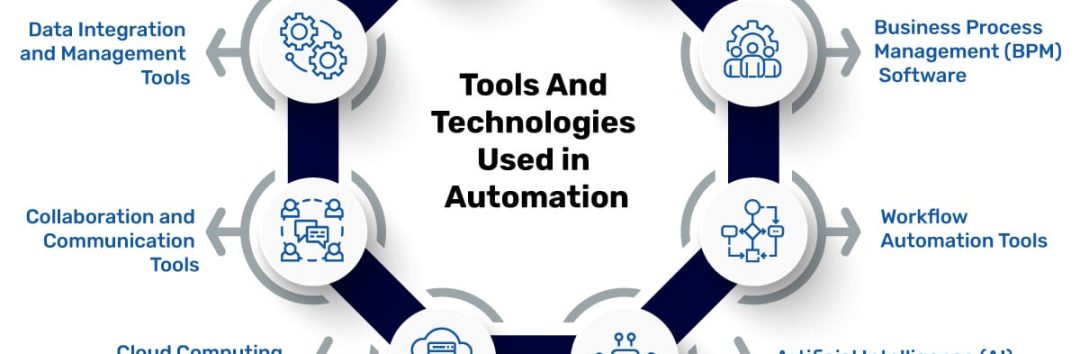
By Afla KC, Digital marketing executive
Introduction
In today’s highly competitive business environment, organisations are constantly looking for smarter ways to improve efficiency, reduce operational costs, and stay ahead of the competition. As businesses grow, so do their daily responsibilities—from managing customer inquiries and processing invoices to tracking inventory, coordinating teams, and generating reports. When these tasks are handled manually, they can consume valuable time, increase the risk of human error, and limit a company’s ability to scale effectively.
This is where business automation comes in.
Business automation uses technology to streamline repetitive tasks, standardize workflows, and optimize everyday operations. Instead of relying on manual processes, businesses can automate routine activities, allowing employees to focus on strategic initiatives, innovation, and customer relationships.
From startups and small businesses to large enterprises, organizations across every industry are adopting automation to improve productivity while reducing operational expenses. Whether it’s automating customer support with AI-powered chatbots, simplifying payroll processing, or managing inventory in real time, automation is transforming the way businesses operate.
In this guide, we’ll explore what business automation is, how it works, its key benefits, common use cases, implementation strategies, and why it’s becoming an essential investment for businesses in 2026 and beyond.
What Is Business Automation?
Business automation is the use of software, digital tools, and intelligent technologies to perform repetitive or rule-based tasks with minimal human intervention. The goal is to improve operational efficiency, reduce manual effort, and ensure consistent results across business processes.
Automation can be applied to almost every department within an organization, including:
- Sales
- Marketing
- Customer service
- Finance
- Human resources
- Inventory management
- Operations
- Project management
- Procurement
Rather than replacing employees, automation empowers teams by eliminating time-consuming administrative work and allowing them to focus on higher-value responsibilities.
Why Business Automation Matters
Every business has processes that are repeated daily. While these tasks are necessary, they often consume valuable resources and slow down operations.
Common manual tasks include:
- Data entry
- Invoice generation
- Employee attendance tracking
- Appointment scheduling
- Sending follow-up emails
- Inventory updates
- Report creation
- Customer support requests
As businesses grow, the volume of these tasks increases. Without automation, companies may need to hire more staff simply to manage routine operations.
Business automation helps organizations scale efficiently without significantly increasing operational costs.
How Business Automation Increases Productivity
1. Eliminates Repetitive Manual Tasks
Employees often spend hours performing routine administrative work that adds little strategic value.
Automation handles repetitive processes such as:
- Creating invoices
- Processing purchase orders
- Updating customer records
- Sending appointment reminders
- Managing payroll
- Tracking inventory
By reducing manual work, employees can dedicate more time to problem-solving, innovation, and customer engagement.
2. Reduces Human Error
Manual data entry and repetitive tasks increase the likelihood of mistakes.
Even small errors can lead to:
- Financial losses
- Customer dissatisfaction
- Compliance issues
- Operational delays
Automated systems perform tasks consistently, improving accuracy and reducing costly mistakes.
3. Accelerates Business Processes
Automation significantly reduces the time required to complete routine tasks.
For example:
- Customer inquiries receive instant responses through chatbots.
- Purchase approvals are routed automatically.
- Reports are generated in seconds instead of hours.
- Inventory levels update in real time.
Faster processes improve overall business performance and customer satisfaction.
4. Improves Employee Productivity
Automation doesn’t replace employees—it enhances their capabilities.
Instead of spending time on repetitive work, teams can focus on:
- Building customer relationships
- Developing new products
- Strategic planning
- Creative problem-solving
- Business growth initiatives
This leads to higher job satisfaction and improved organizational performance.
5. Enables Better Collaboration
Modern automation platforms integrate multiple departments and systems into a unified workflow.
For example:
- Sales teams receive instant updates when new leads are generated.
- Finance departments automatically receive approved purchase requests.
- HR systems notify managers about employee onboarding tasks.
Connected workflows reduce communication gaps and improve collaboration across the organization.
How Business Automation Reduces Costs
Lower Labor Costs
Automation reduces the need for employees to perform repetitive administrative tasks.
Rather than hiring additional staff as the business grows, organizations can automate routine operations and allocate existing employees to more valuable work.
Reduced Operational Expenses
Automated processes minimize paperwork, printing costs, manual record keeping, and repetitive administrative work.
Businesses also reduce expenses associated with correcting human errors.
Improved Resource Utilization
Automation helps organizations make better use of available resources by optimizing workflows and eliminating inefficiencies.
This results in greater productivity without increasing operational spending.
Faster Decision-Making
Automation platforms often include dashboards and analytics that provide real-time insights into business performance.
Managers can quickly identify problems, monitor productivity, and make informed decisions that improve profitability.
Better Customer Retention
Fast response times, accurate service delivery, and personalized customer experiences improve satisfaction and encourage repeat business.
Retaining existing customers is generally more cost-effective than acquiring new ones.
Common Areas Where Businesses Use Automation
Customer Service
Businesses automate customer support through:
- AI chatbots
- Help desk systems
- Automated ticket routing
- Frequently asked question (FAQ) systems
These tools provide faster support while reducing the workload on customer service teams.
Marketing
Marketing automation platforms help businesses:
- Schedule social media posts
- Send email campaigns
- Nurture leads
- Track campaign performance
- Personalize customer communication
Automation ensures consistent marketing efforts while improving campaign effectiveness.
Sales
Sales teams benefit from automation by:
- Managing leads
- Scheduling follow-ups
- Tracking customer interactions
- Generating quotations
- Monitoring sales pipelines
This allows sales professionals to spend more time building relationships and closing deals.
Finance and Accounting
Financial automation simplifies:
- Invoice generation
- Expense tracking
- Payroll processing
- Payment reminders
- Financial reporting
- Tax preparation
Automation improves financial accuracy while reducing administrative overhead.
Human Resources
HR departments automate:
- Employee onboarding
- Attendance tracking
- Leave management
- Performance evaluations
- Payroll processing
- Recruitment workflows
This creates a smoother experience for both employees and HR teams.
Inventory Management
Automation helps businesses monitor stock levels, generate purchase orders, and forecast demand.
Real-time inventory management reduces stock shortages, excess inventory, and unnecessary purchasing costs.
Technologies Driving Business Automation
Modern automation solutions combine several advanced technologies.
Artificial Intelligence (AI)
AI enables systems to make intelligent decisions, understand customer inquiries, and provide personalized experiences.
Robotic Process Automation (RPA)
RPA automates repetitive rule-based tasks such as data entry and document processing.
Cloud Computing
Cloud platforms enable businesses to access automated systems from anywhere while supporting collaboration across teams.
Workflow Automation Software
Workflow platforms automatically route approvals, notifications, and tasks between departments.
Data Analytics
Analytics tools monitor automated processes and provide insights for continuous improvement.
Best Practices for Implementing Business Automation
Businesses should
adopt automation strategically rather than attempting to automate every process at once.
Identify Repetitive Tasks
Begin by analyzing workflows to identify tasks that consume significant time or involve repetitive manual effort.
Set Clear Objectives
Define measurable goals such as reducing processing time, lowering operational costs, or improving customer satisfaction.
Choose Scalable Solutions
Select automation platforms that can grow alongside the business and integrate with existing systems.
Train Employees
Successful automation depends on employee adoption. Provide training to ensure teams understand how to use new tools effectively.
Monitor Performance
Track key performance indicators (KPIs) to evaluate automation’s impact and identify opportunities for improvement.
Common Challenges
While automation offers significant benefits, businesses should prepare for potential challenges, including:
- Initial implementation costs
- Employee resistance to change
- Integration with legacy systems
- Data security considerations
- Ongoing software maintenance
Working with experienced digital solution providers helps organizations overcome these challenges and maximize return on investment.
The Future of Business Automation
Business automation is evolving rapidly with emerging technologies such as AI, machine learning, and predictive analytics.
In the coming years, businesses can expect:
- Smarter AI-powered assistants
- Fully automated customer journeys
- Intelligent workflow optimization
- Predictive maintenance systems
- Autonomous business processes
- Hyperautomation across departments
Organizations that invest in automation today will be better prepared to adapt to future business demands and technological advancements.
Conclusion
Business automation has become a cornerstone of modern business success. By automating repetitive tasks, streamlining workflows, and integrating digital technologies into everyday operations, businesses can significantly increase productivity while reducing operational costs. Employees spend less time on manual processes and more time on strategic initiatives that drive innovation and growth.
Beyond efficiency, automation improves accuracy, enhances customer experiences, strengthens collaboration, and provides valuable real-time insights that support better decision-making. As organizations continue to navigate an increasingly competitive and digital marketplace, automation offers the flexibility and scalability needed to grow without proportionally increasing resources or expenses.
Whether you’re a small business looking to simplify daily operations or a growing enterprise aiming to optimize complex workflows, investing in business automation is a strategic decision that delivers long-term value. By embracing automation today, businesses can build a more agile, efficient, and future-ready organization prepared to thrive in the years ahead.